
Proper care of cut flowers is essential for maintaining their beauty and freshness. Understanding the biology of these flowers helps explain why they require specific conditions to thrive in a vase. One key factor is temperature. Cut flowers typically prefer a cooler environment, ideally between 34°F and 38°F (1°C to 3°C). Exposure to excessive heat can accelerate the deterioration process, leading to wilting and a shortened vase life.
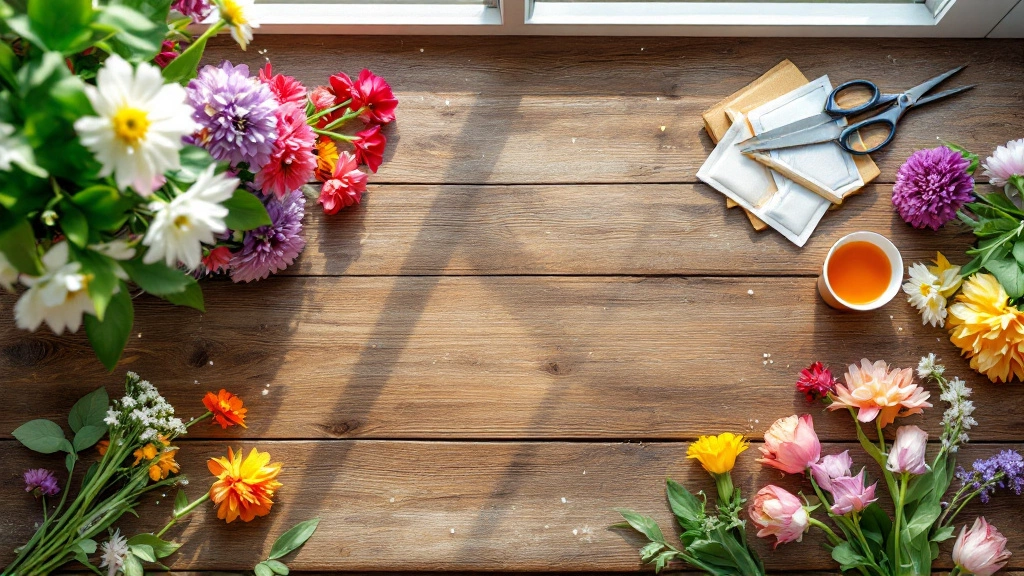
Lighting also plays a crucial role in flower preservation. While many people enjoy displaying cut flowers in bright rooms, it is important to avoid direct sunlight, which can cause petals to fade and stems to dry out more quickly. Instead, place the vase in a well-lit area that does not expose the flowers to harsh light.
Humidity, another significant factor, affects how cut flowers absorb water. In low humidity environments, flowers lose moisture at a rapid rate through their leaves, leading to drooping and decay. Therefore, it is advisable to maintain a moderate humidity level around the flowers. This can be achieved by misting the flowers or using a room humidifier when necessary.
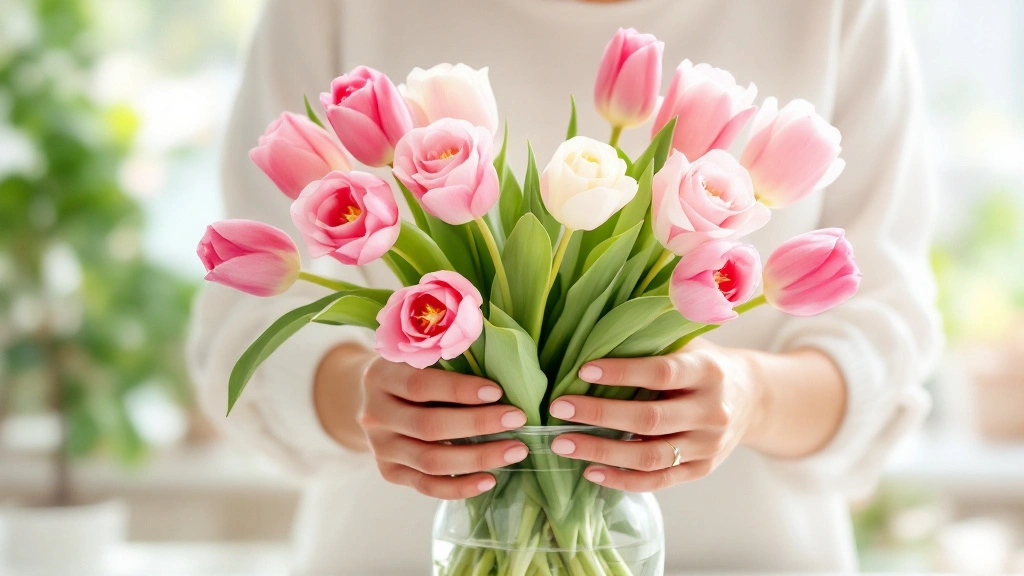
Moreover, understanding how flowers breathe is crucial. Once cut, flowers continue to respire, consuming sugars and oxygen while releasing carbon dioxide. This process generates heat and can stress the flowers if not properly managed. To prolong their life, it is important to keep the water clean, replace it regularly, and trim the stems at an angle to facilitate optimal water absorption.
In summary, the ideal conditions for cut flower care involve maintaining a cool temperature, avoiding direct sunlight, and ensuring proper humidity levels. By implementing these basic principles, one can effectively extend the freshness and life of cut flowers in a vase.
Pro Tips for Extending Flower Longevity
To maximize the longevity of cut flowers, several expert techniques are available that can significantly enhance their lifespan. One crucial practice is regularly changing the water in the vase. Stale water can harbor bacteria that contribute to decay, making it imperative to replace the water every few days. When doing so, it is advisable to also clean the vase thoroughly to ensure that any lingering residues do not affect the new water.
Properly trimming the stems of your cut flowers is another essential technique. Use sharp scissors or a knife to cut the stems at an angle, ideally under running water. This angled cut increases the surface area for water absorption, enabling the flowers to drink effectively and maintain hydration. Additionally, be sure to remove any leaves that may fall below the waterline, as submerged leaves can decay and contribute to bacterial growth, further shortening the life of the flowers.
Furthermore, the use of flower food is an important factor in extending flower longevity. Most flower food packets contain a sugar solution that serves as nourishment and antibacterial agents that help prevent decay. Mixing this solution according to the package instructions and adding it to the vase water creates a rich environment for the blooms, promoting their health. This simple addition can be a game-changer in maintaining vibrant, beautiful arrangements for days to come.
In addition to these practices, keeping the flowers in a cool, well-ventilated area, away from direct sunlight and heat sources, can also contribute to their longevity. The optimal environment helps preserve their freshness, allowing you to enjoy their beauty longer. By implementing these tips, anyone can enhance their vase life and revel in the delightful presence of cut flowers in their homes.
Common Mistakes to Avoid When Caring for Cut Flowers
Caring for cut flowers requires attention to detail to ensure their optimal vase life. However, many individuals unknowingly make common mistakes that can lead to premature wilting and a shorter lifespan for their floral arrangements. Understanding these pitfalls is crucial for anyone looking to maximize the longevity of their flowers.
One prevalent error is the use of tap water instead of filtered or distilled water. Tap water often contains chlorine, chloramine, and impurities that can hinder flower health. These substances can clog the flowers’ vascular systems, ultimately reducing their ability to absorb water. To prolong the vase life of your cut flowers, use fresh, clean water, and consider changing it every two to three days.
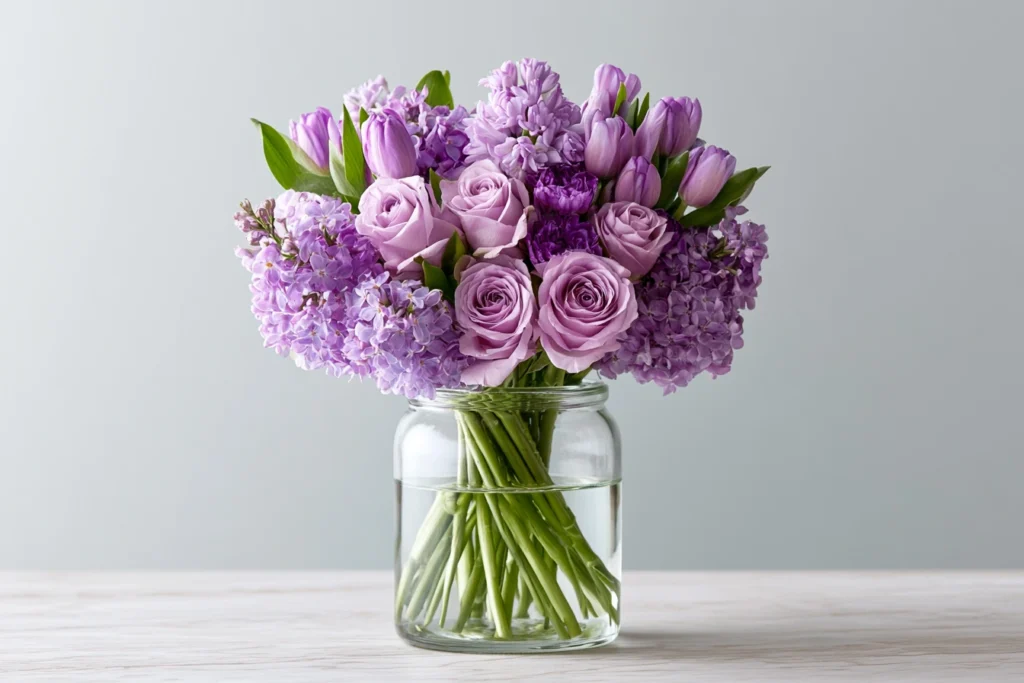
Another frequently overlooked aspect of flower care is the neglect of excess foliage removal. When the stem leaves are submerged in water, they can decay and produce bacteria, which negatively impacts water quality. It is essential to trim away any leaves that may be below the waterline to maintain a clean environment for your flowers.
Placing flowers in direct sunlight or in draughty areas is another common mistake that can jeopardize their lifespan. While flowers are a beautiful addition to sunlit areas, intense heat and drafts can cause stress, leading to a quicker decline in vitality. Instead, positioning your arrangements in a cool, shaded area can help maintain freshness and prolong the blooming period.
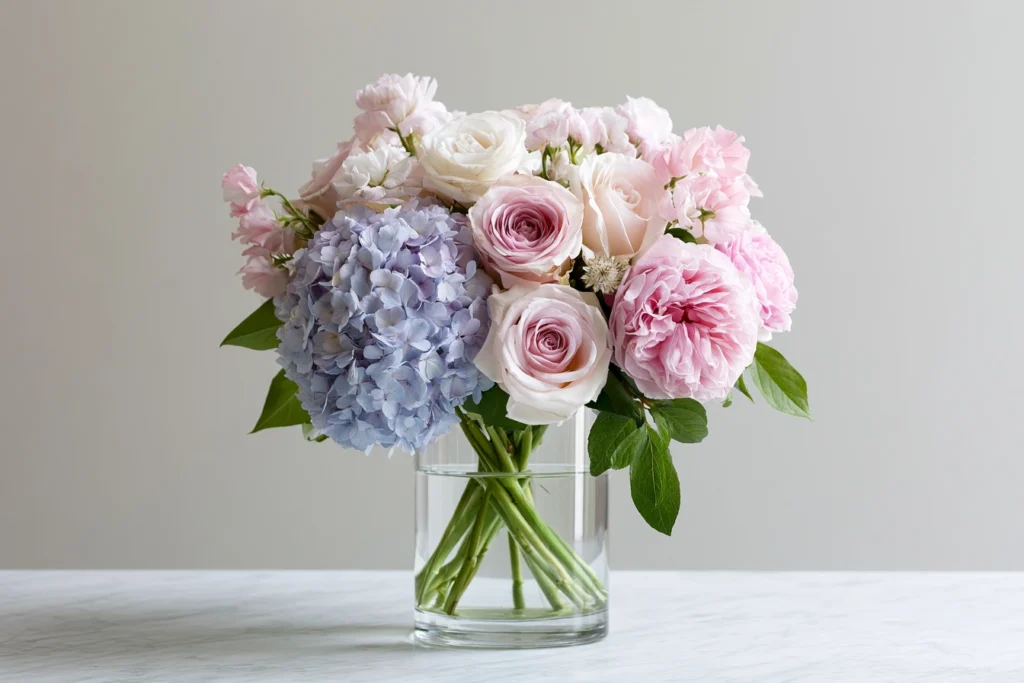
By avoiding these common mistakes—using tap water, neglecting to remove excess foliage, and placing flowers in inappropriate locations—you can significantly enhance the overall vase life of your cut flowers, ensuring they remain vibrant and lively for an extended period.
Seasonal Considerations for May Flower Care
The month of May marks a transition into warmer weather, paving the way for a plethora of vibrant blooms. During this time, many flowers reach their peak, making it an ideal month for displaying cut flowers. However, as the weather undergoes fluctuations between warmth and the lingering cool of spring, it becomes vital to exercise specific care to preserve the life of these floral arrangements. Temperature and humidity levels can greatly influence cut flower longevity, necessitating tailored approaches for different blooms.
May is characterized by increased temperatures in many regions, typically falling between 70°F and 85°F (21°C to 29°C). Such conditions can accelerate the wilting process of cut flowers. Therefore, it is crucial to ensure that bouquets are maintained at cooler temperatures away from direct sunlight or heat sources. A well-chosen location, such as a shaded area indoors, will help sustain the vibrant colors and invigorating scents that flowers provide.
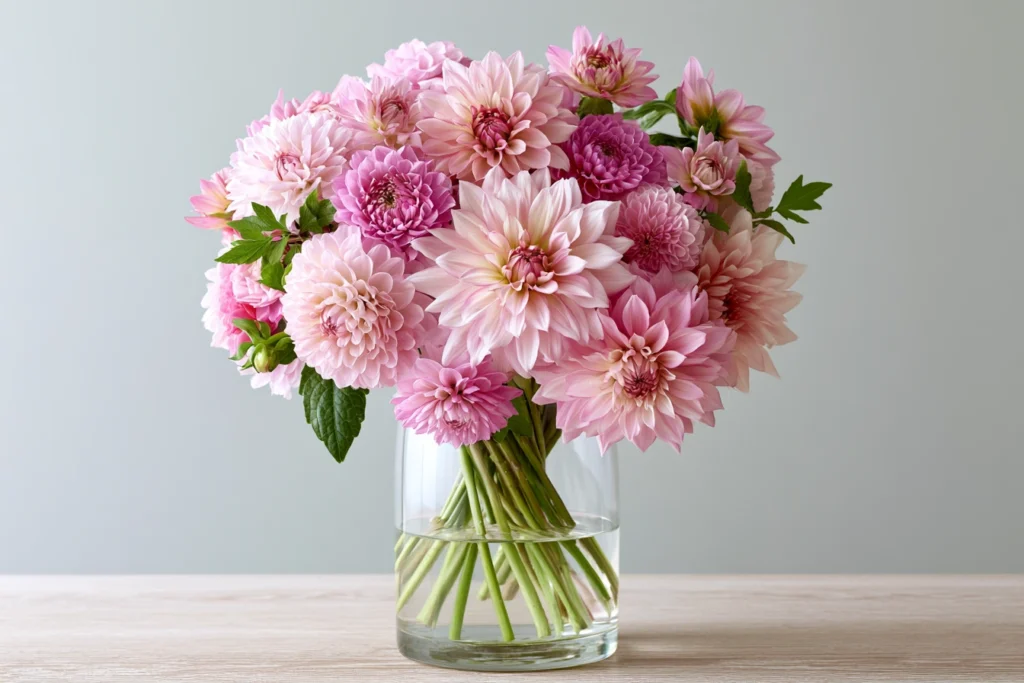
May also presents opportunities to utilize seasonal flowers that thrive during this month. Popular blooms include peonies, lilacs, azaleas, and irises, which flourish in the late spring. For each of these flowers, specific care steps can enhance their vase life. For example, peonies should be cut in the late morning or early afternoon when temperatures are cooler, and they can benefit from plenty of fresh water and regular trimming of stems to prevent bacterial growth. Similarly, lilacs should be placed in warm water to promote hydration, particularly immediately after cutting to ensure their continued vibrancy.
In conclusion, by understanding the seasonal changes of May and implementing care tailored to these conditions, flower enthusiasts can significantly extend the life of their beautiful arrangements. Through mindful choices regarding flower varieties and proper techniques, cut flowers can continue to flourish well into the heart of spring.