
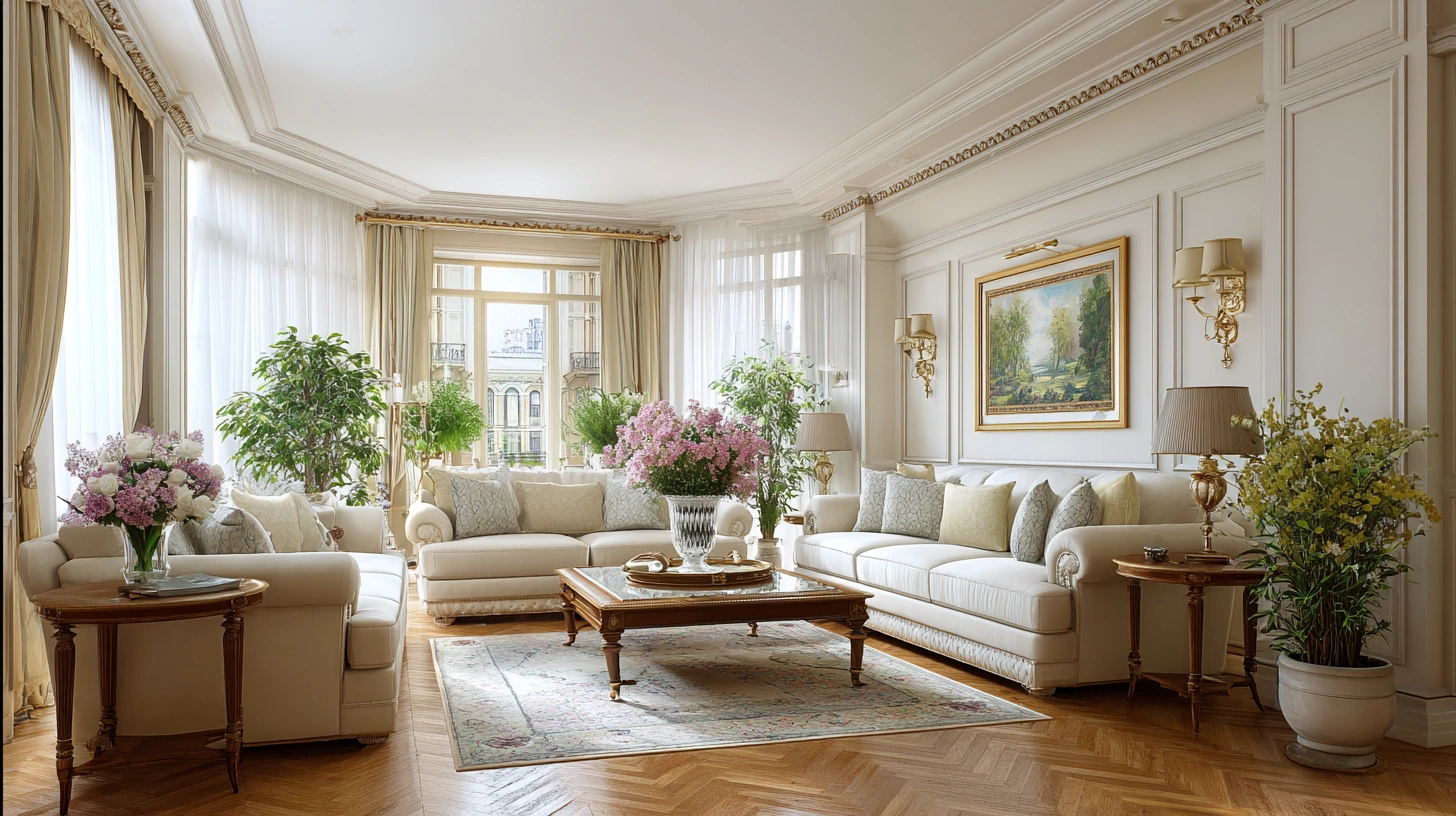
Classic style interior design ( https://en.wikipedia.org/wiki/Classical_architecture )is a timeless approach characterized by its adherence to historical design principles and an emphasis on harmony, proportion, and elegance. Rooted in the architectural traditions of ancient Greece and Rome, classic design has evolved through various historical periods, including the Renaissance and neoclassical movements. At its core, classic design celebrates symmetry and balance, creating an atmosphere of refined sophistication. This style can often be recognized by its structured layouts, which foster a sense of order and calmness within the space.
One of the fundamental aspects of classic style is the color palette. Classic interiors predominantly feature neutral tones such as beige, cream, and soft gray, which serve as a backdrop for richer, bolder colors that add depth and character. These accent colors, often found in furnishings or decorative elements, enhance the overall aesthetics while ensuring the space retains a timeless quality. For example, deep greens, navy blues, and rich burgundies can invigorate a neutral setting, grounding it in tradition and elegance.
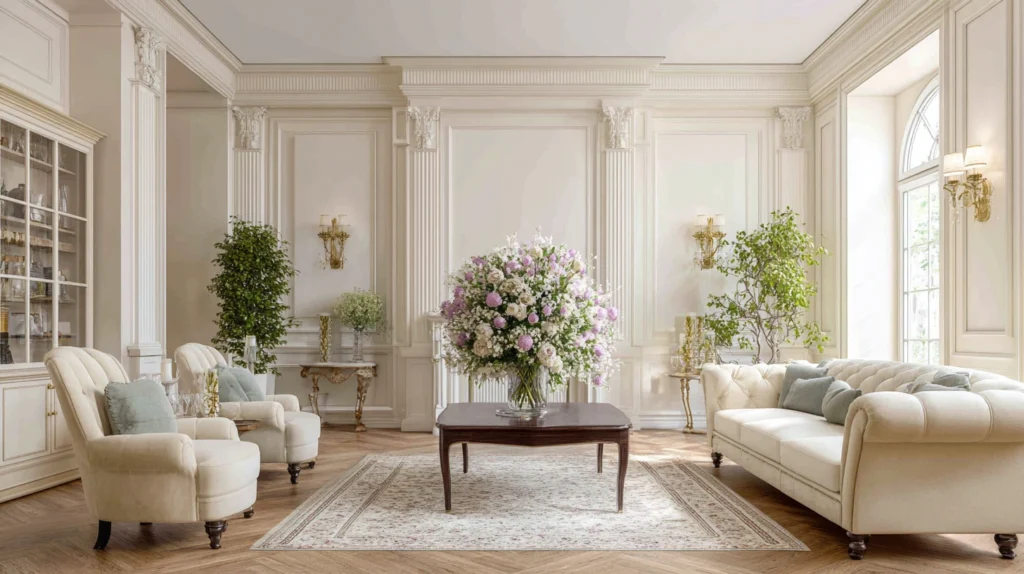
Materials and furnishings play a critical role in achieving a classic design. Antique furniture pieces are a staple, often showcasing intricate craftsmanship and high-quality materials. Luxurious fabrics like silk, velvet, and brocade contribute to the opulent feel of classic interiors, emphasizing texture and comfort. Additionally, decor elements such as ornate moldings, chandeliers, and carefully curated artwork further enrich the space, providing visual interest without overwhelming the serene atmosphere that defines classic style.
Ultimately, understanding classic style interior design involves recognizing the importance of these essential elements, which together create a cohesive narrative transcending trends and fads. By integrating symmetry, balanced color schemes, and luxurious materials, one can cultivate a living room that embodies the essence of timeless elegance.
Essential Elements of a Classic Living Room
Creating a classic living room involves a careful selection of furniture and decor that embodies elegance, comfort, and timeless style. Central to this design ethos is the choice of furniture, which includes the iconic pieces such as sofas, chairs, and coffee tables. A classic living room typically features plush sofas with soft, inviting fabrics like velvet or damask, complemented by armchairs that echo the style of the sofa but may add a contrasting element or color. The proportion of these pieces in relation to the room size is paramount; ensuring that the furniture does not overwhelm the space is key to achieving balance and harmony.
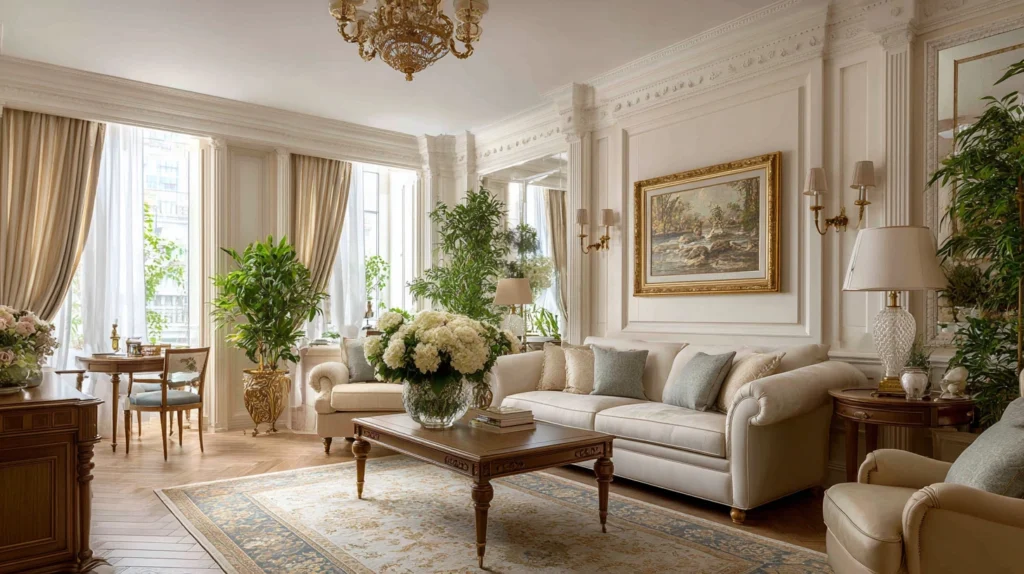
Coffee tables also play a vital role within this aesthetic. Traditional wooden tables with intricate detailing or elegant glass options can serve as focal points, especially when paired with tasteful decorative items. Accessories such as coasters, books, and tasteful floral arrangements on the coffee table can further enhance the inviting atmosphere. The presence of classic shapes and attention to detail in furniture design solidifies the room’s theme, allowing for timeless style to shine through.
Lighting is another crucial element in a classic living room. Chandeliers provide an opulent statement, illuminating the space while adding a touch of grandeur. Additionally, elegant lamps with fabric shades can be strategically placed on side tables or consoles to create a warm, inviting glow. The interplay of natural light through large windows or well-placed mirrors can further amplify this luminous effect, enhancing the overall ambience.
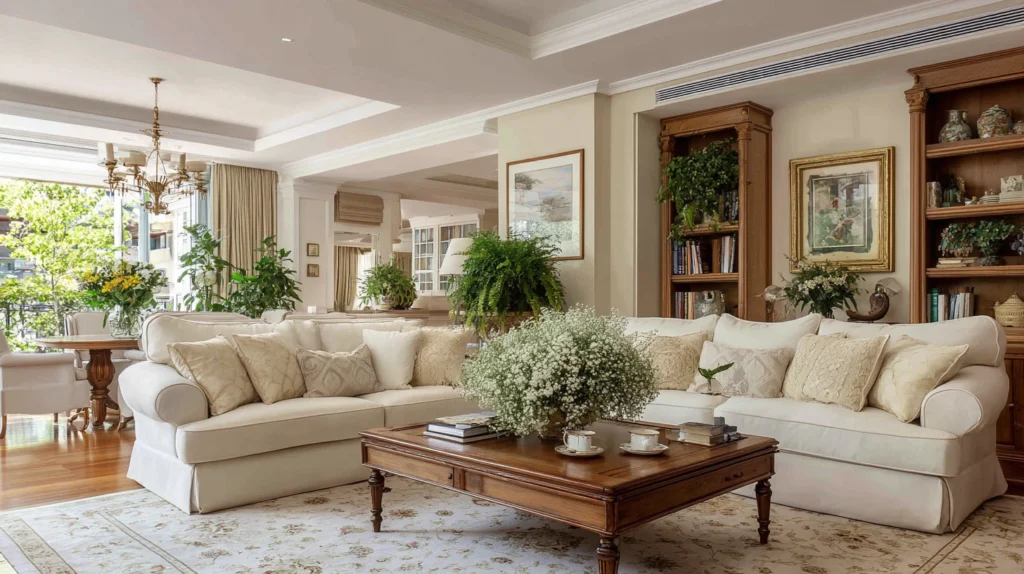
Finally, decorative accessories are essential in defining the aesthetic of a classic living room. Artwork, mirrors, and curated decor items work together to personalize the space. A carefully selected artwork can become a conversation piece, while mirrors add depth and dimension. Overall, the essential elements of a classic living room should embody a timeless style, balancing functionality with beauty to create a space that feels both welcoming and sophisticated.
The Art of Flower Arrangements in Classic Design
Flower arrangements play a pivotal role in enhancing the elegance and sophistication of a classic style living room. The thoughtful integration of floral displays can transform a space, adding warmth and a touch of nature to an otherwise structured environment. To achieve this aesthetic, it is essential to select flowers that resonate with the classic interior design theme, which often favors timeless varieties such as roses, peonies, and hydrangeas. These flowers, with their rich textures and colors, can evoke a sense of luxury and refinement.
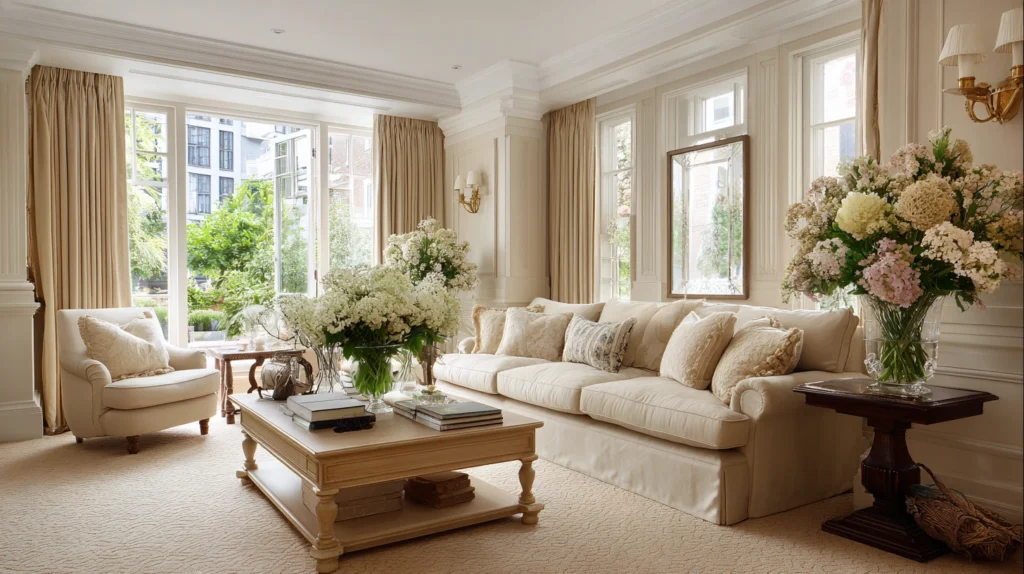
When choosing vases, opt for materials that align with the classic style, such as porcelain, glass, or antique metals. A well-crafted vase not only serves as a container but also as an integral part of the overall design. The shape and size of the vase should complement the floral arrangement, ideally enhancing its beauty without overshadowing it. For instance, a tall, slender vase might be suitable for a dramatic arrangement of lilies, while a low, wide vase could beautifully showcase a lush bouquet of mixed blooms.
Placement strategies are equally important in creating visually appealing focal points. Positioning arrangements on side tables, coffee tables, or even mantelpieces draws attention and invites admiration. It is advisable to consider the scale of the room; larger arrangements can fill open spaces effectively, while smaller arrangements can be grouped to create dynamic visual interest. Furthermore, seasonal variations in floral choices can keep the arrangements fresh and relevant. Using seasonal flowers, such as tulips in spring or chrysanthemums in autumn, not only honors the changing seasons but also enhances the overall ambiance of the living room. Regular maintenance, including timely water changes and removing wilted flowers, will ensure that the arrangements remain vibrant and captivating throughout the year.
Practical Tips for Achieving a Classic Living Room Look
Creating a timeless living room that embodies classic style requires thoughtful consideration of furnishings, color schemes, and floral arrangements. Start by focusing on quality over quantity when selecting furniture. Invest in key pieces that boast traditional lines and materials, such as a solid wood coffee table or an elegant sofa upholstered in a durable fabric. High-end retailers and vintage shops are excellent resources for sourcing such classic items. Look for unique pieces that resonate with your personal style, as well as family heirlooms that can add sentimental value to the decor.
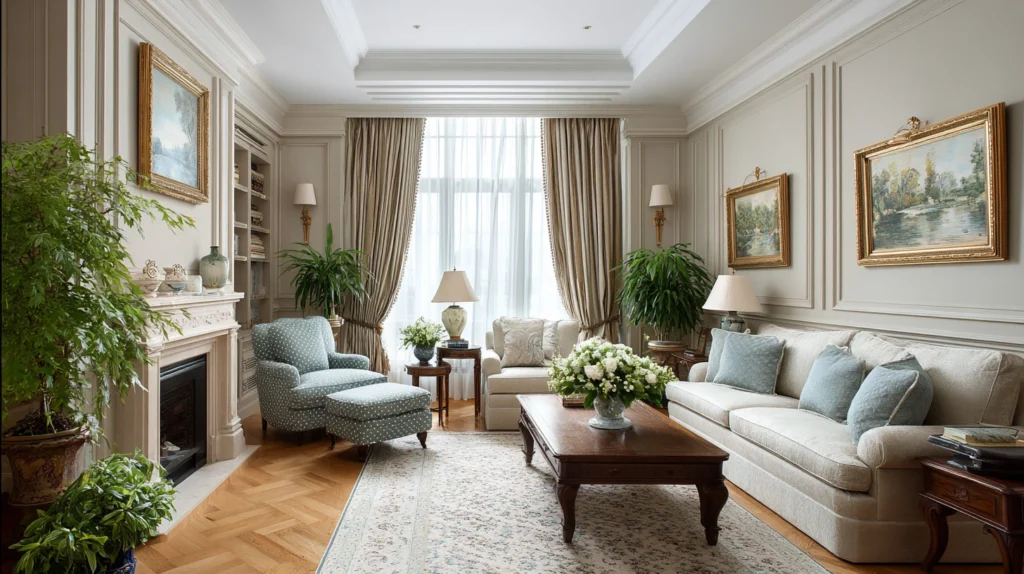
When selecting a color palette, opt for neutral tones like cream, beige, or soft gray as your base. These colors offer versatility and provide a timeless backdrop that allows for easy decoration changes over the years. Accentuate this subtle foundation with richer colors through accessories, like cushions or drapes, to create visual depth. This balanced approach helps maintain a classic look while enabling personalization, ensuring that your living room remains unique to your taste.
Floral arrangements play an essential role in enhancing the classic aesthetic. Choose flowers that not only complement your color scheme but also have the ability to adapt with the changing seasons. For instance, consider using hydrangeas in the summer, dahlias in the fall, or evergreen branches in the winter. Incorporating seasonal blooms will keep your space feeling fresh while allowing you to express evolving preferences. Arrange flowers in classic vessels like ceramic vases or vintage glassware to enhance their appeal further.
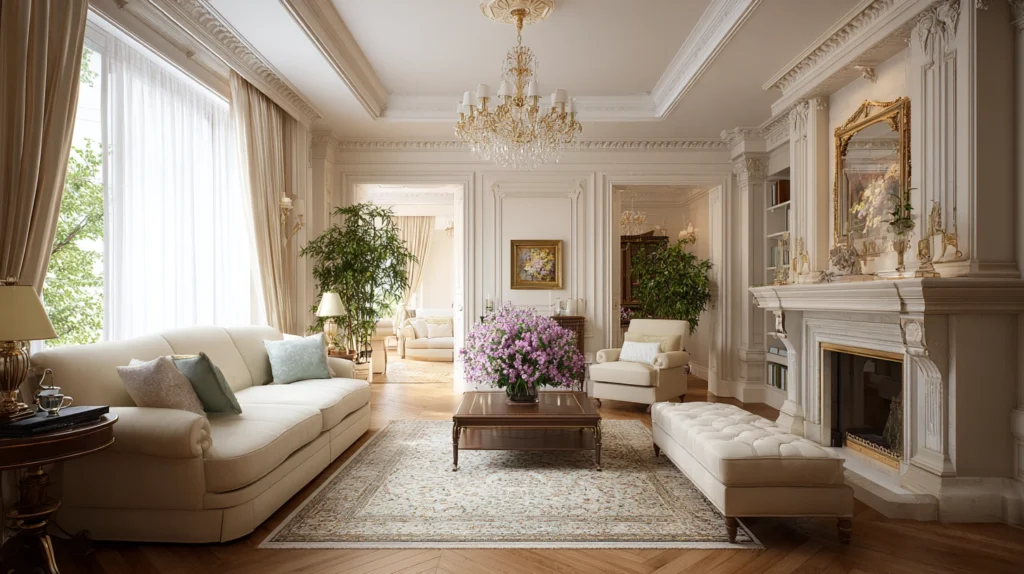
Ultimately, the key to achieving a classic living room look lies in careful selection, personalization, and adaptability. By choosing timeless pieces and arrangements that resonate with your style, you can create a beautiful and inviting space that will endure for years to come.