
- The Origin and History of Peonies
- United States (Zones 3–8)
- Symbolism of Peonies: General and Color Significance
- Color Symbolism of Peonies
- Cool Facts About Peonies
- Practical Tips for Purchasing and Caring for Fresh-Cut Peonies
- Caring for Your Fresh-Cut Peonies
- Peonies in Context: Occasions and Similar Flowers
- Peony Occasions
- Flowers Similar to the Peony
The Origin and History of Peonies
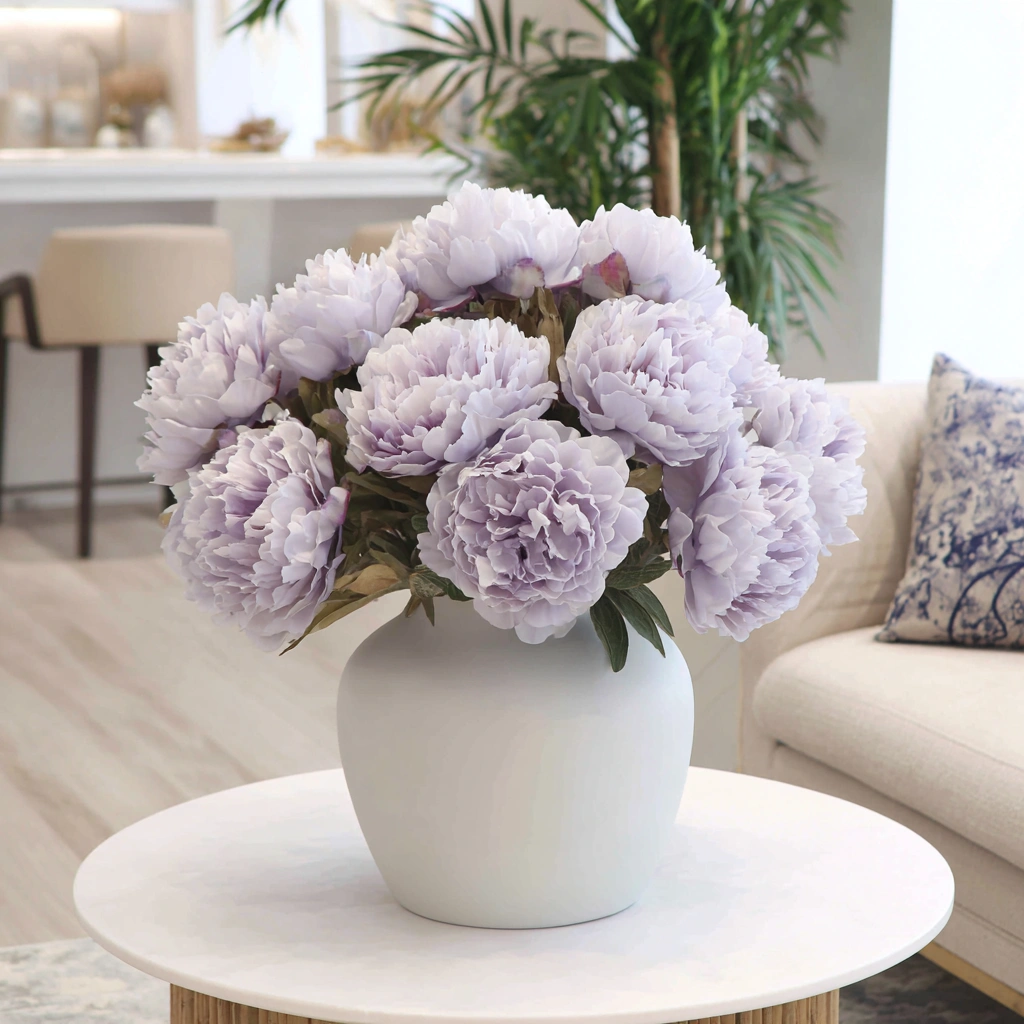
The peony, a renowned flower characterized by its lush blooms and captivating fragrance, has deep roots intertwined with ancient civilizations. Believed to have originated in East Asia, particularly in regions of China, these flowers have been celebrated for over a thousand years. The earliest records of peonies can be traced back to the Han Dynasty (206 BCE to 220 CE), where they were regarded as symbols of wealth and nobility. Historical texts suggest that these blooms were also utilized for their medicinal properties, being prescribed to treat various ailments, ranging from headaches to digestive disorders.
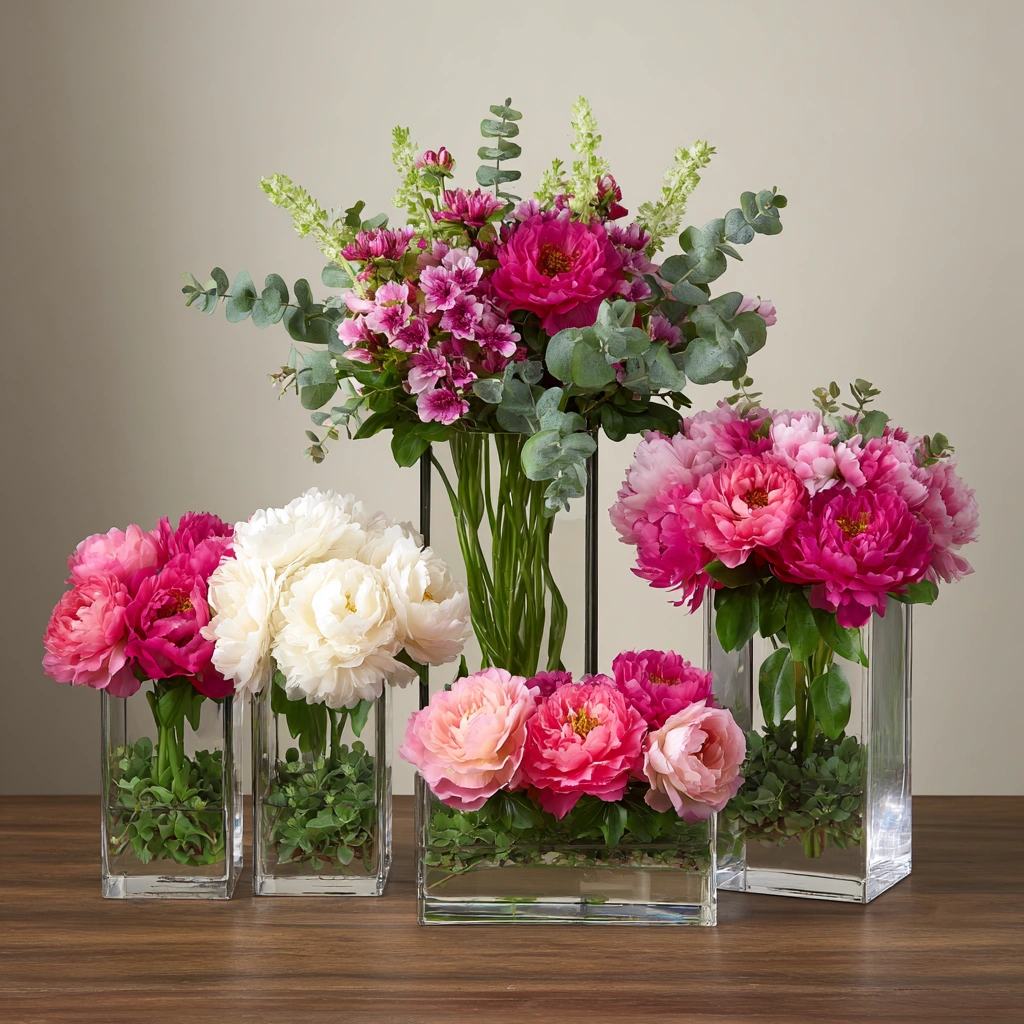
Peonies steadily traveled alongside human culture and commerce. They were cultivated in ancient Greece and Rome, where they were often associated with various deities, including the goddess of healing, Paeon. The Greeks revered the peonies not only for their beauty but also for their multifaceted uses in traditional medicine. Furthermore, they featured prominently in their art and literature, symbolizing prosperity and good fortune.
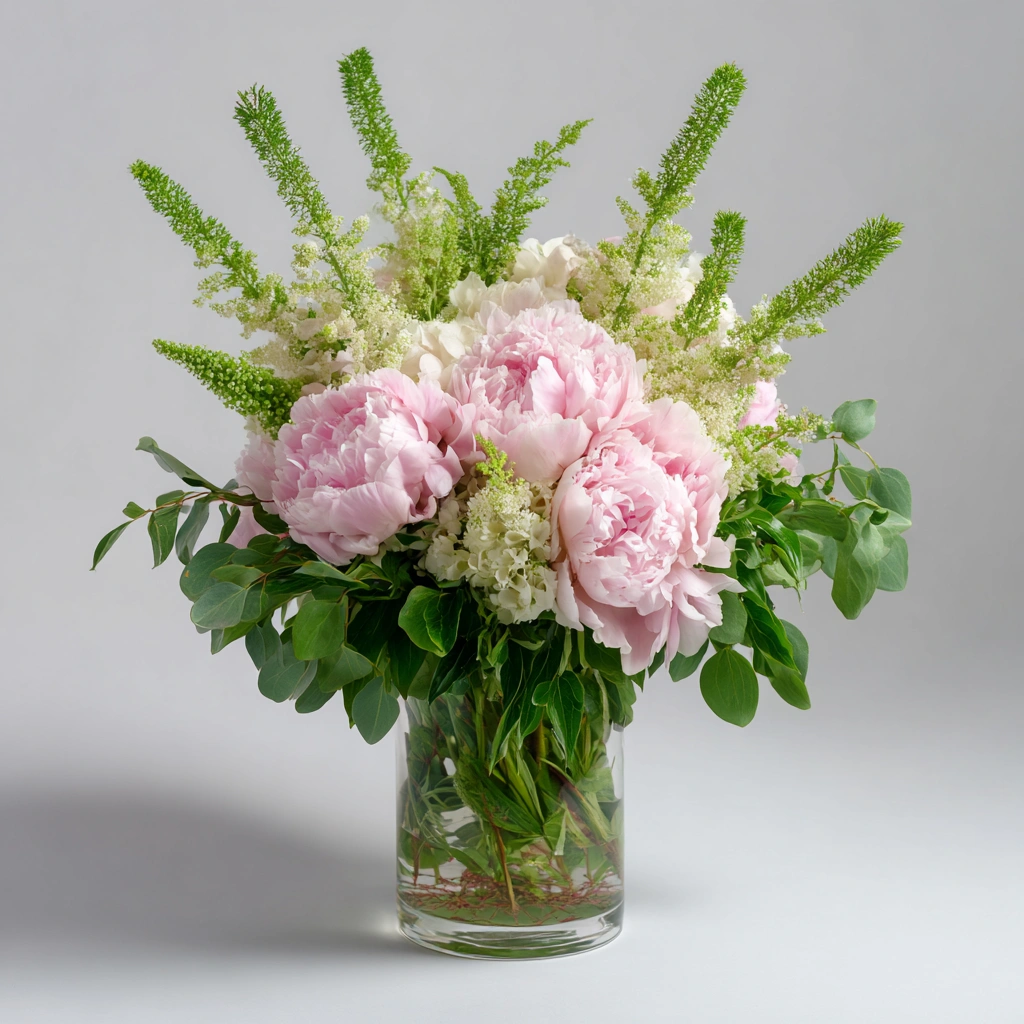
As the popularity of peonies grew, they spread beyond the borders of Asia and into Europe during the 18th century. Here, they captured the hearts of the French aristocracy, becoming a staple in their lavish gardens. This influx of interest led to various breeding programs aimed at creating new cultivars with distinctive colors and forms, greatly expanding the variety of peonies available today.
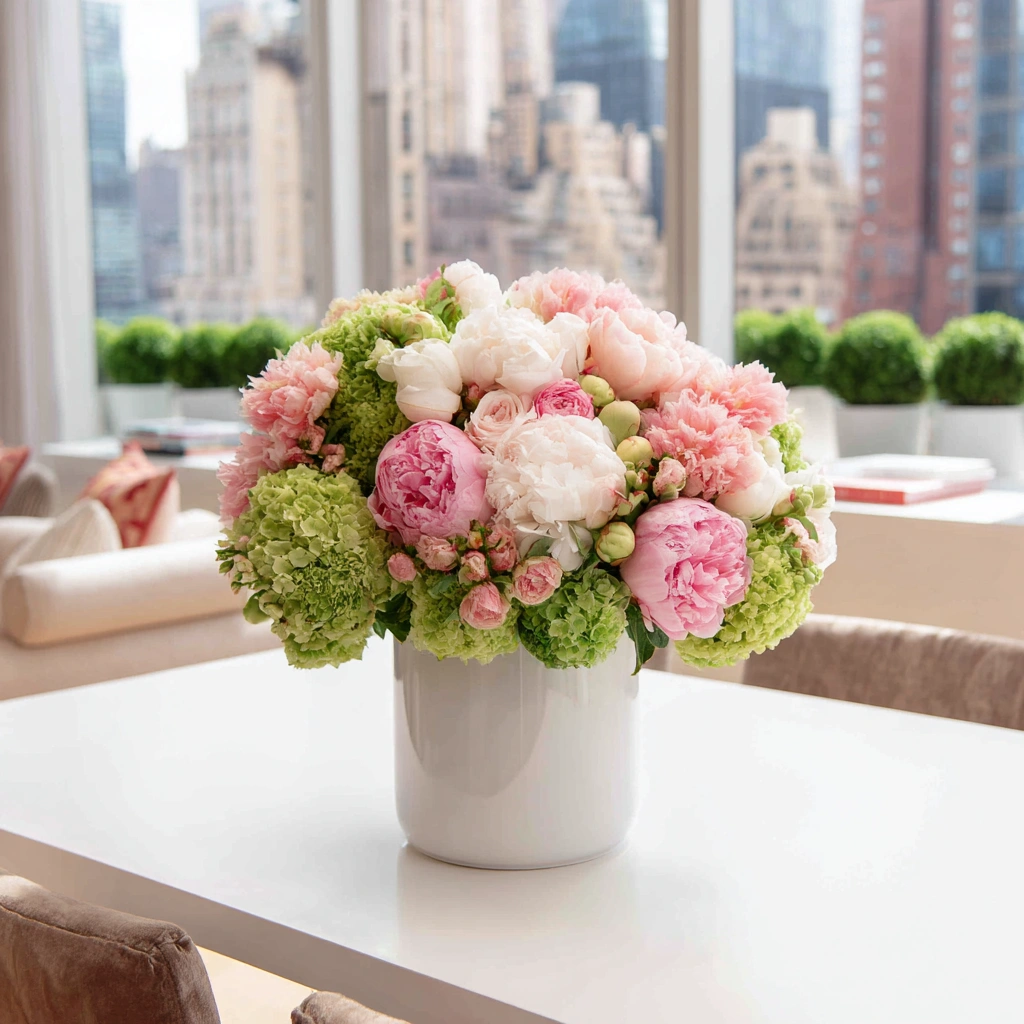
Today, peonies hold significant cultural importance in various societies. In China, they are known as “the king of flowers” and are celebrated during traditional festivals. In modern times, these stunning blooms have secured their place as beloved garden flowers and are often featured in wedding bouquets and floral arrangements, symbolizing love, honor, and beauty. The journey of the peony from its ancient beginnings to its modern-day popularity is a testament to its enduring appeal.
| Region | Typical Bloom Window |
|---|---|
| United States (Zones 3–8) | Late April to early June; southern states bloom earlier (April–May), northern gardens peak in late May–June |
By Variety Type:
- Early-season (e.g., ‘Coral Charm’): Late April–early May
- Mid-season (e.g., ‘Sarah Bernhardt’): May
- Late-season (e.g., ‘Bowl of Beauty’): Early June
A single bush typically blooms for only 7–10 days
Symbolism of Peonies: General and Color Significance
| Culture | Symbolism |
|---|---|
| Greek Mythology | Healing, protection, bashfulness |
| Chinese Tradition | Honor, wealth, nobility, prosperity; “King of Flowers” |
| Japanese Culture | Bravery, honor, good fortune |
| Western Tradition | Romance, prosperity, happy marriage, good luck |
Peonies, known for their lush blooms and intoxicating fragrance, carry profound symbolism across various cultures. Traditionally, in Chinese culture, peonies signify wealth, good fortune, and prosperity. Revered as the “king of flowers,” they play a vital role in celebrations and are often used in art and literature to evoke feelings of honor and high status. In Western cultures, peonies are associated with romance and happy marriages, making them a popular choice for weddings and anniversaries. This duality in symbolism illustrates the peony’s versatility and its esteemed place in floral arrangements and societal values.
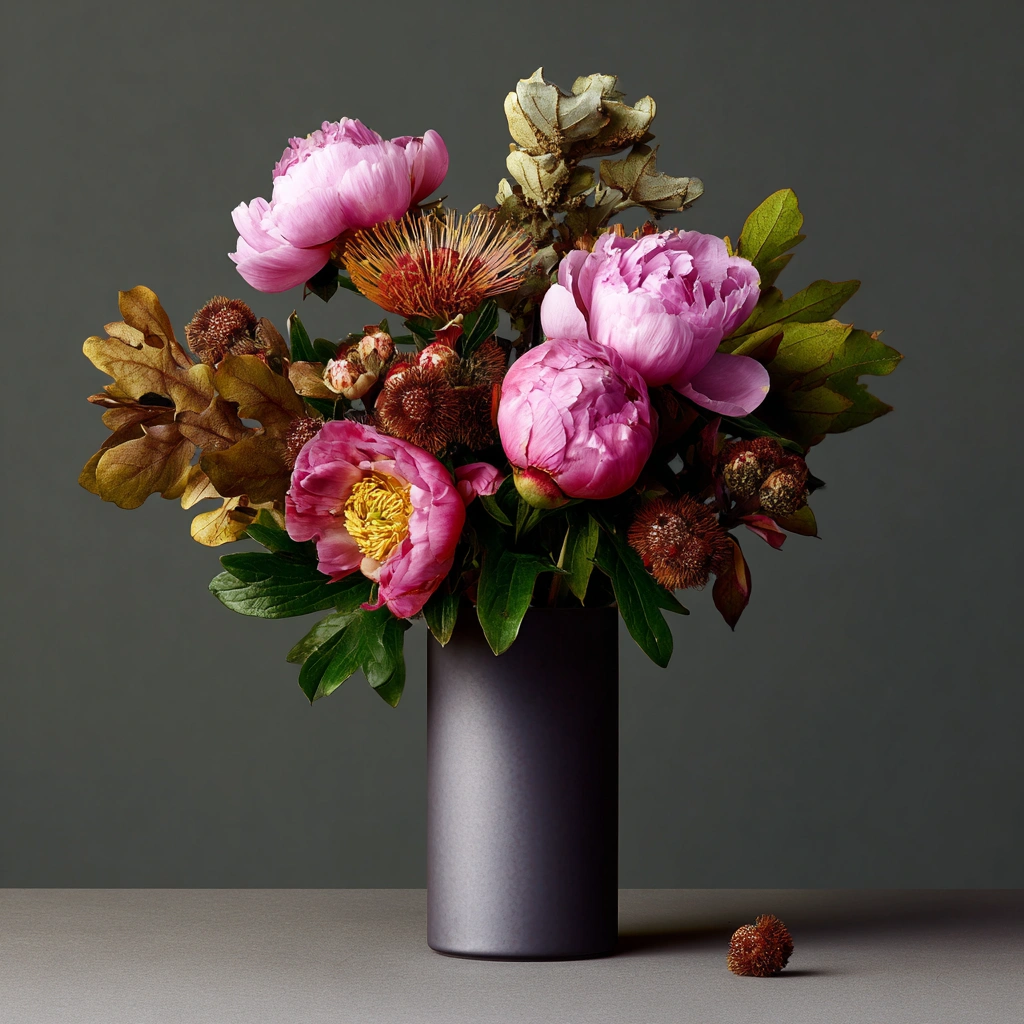
Color Symbolism of Peonies
| Color | Meaning | Best For |
|---|---|---|
| White | Bashfulness, apology, enduring beauty, purity | Apologies, sympathy, weddings |
| Light Pink | Romance, grace, good luck, prosperity | Weddings, Mother’s Day, anniversaries |
| Hot Pink | Attraction, deep appreciation, joy | Romantic gestures, celebrations |
| Red | Passion, love, honor, respect, wealth | Valentine’s Day, anniversaries, honoring achievements |
| Coral | Elegance, success, strong relationships, abundance | Milestones, friendships, new ventures |
| Purple | Royalty, dignity, admiration, ambition | Formal occasions, honoring elders |
| Yellow | Happiness, friendship, new beginnings, fresh starts | Housewarmings, graduations, career changes |
The emotional resonance of peonies extends to their colors, each hue carrying its own unique message. For instance, red peonies symbolize love and passion, making them an ideal gift for romantic occasions. In contrast, pink peonies represent grace and happiness, reflecting a gentle and caring nature. White peonies, often linked with purity and innocence, are commonly used in bridal bouquets, embodying the essence of new beginnings and fidelity. Meanwhile, yellow peonies, which convey a sense of cheerful morning light, signify friendship and joy, creating a warm and inviting atmosphere.
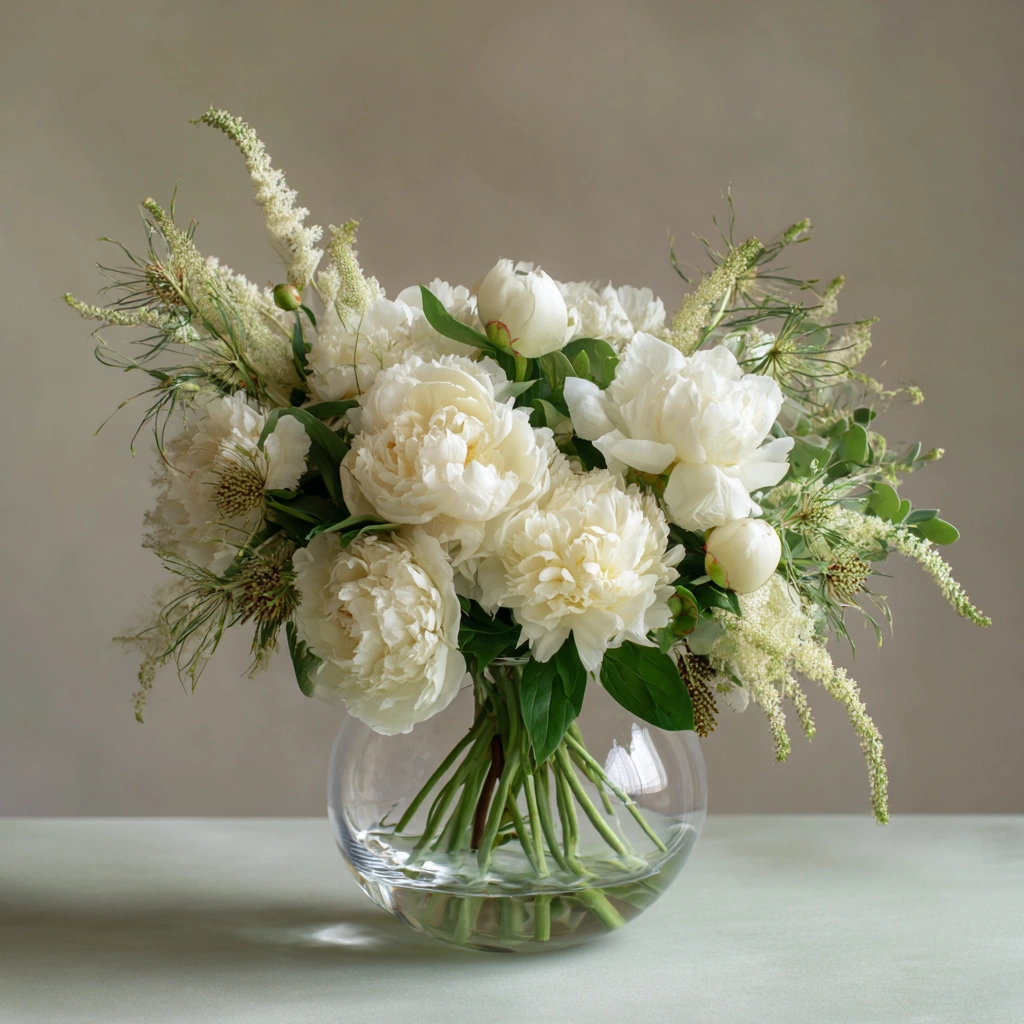
Moreover, the color significance of peonies can vary culturally: in some traditions, white peonies are associated with funerals and are used to honor the deceased. This specific contextual meaning underscores the importance of considering color choice and cultural perceptions when selecting peonies for special occasions. Overall, the symbolic meanings attributed to peonies, both general and color-specific, highlight the emotional and aesthetic importance of these stunning flowers, making them a cherished choice in floral design and personal gifting.
Cool Facts About Peonies
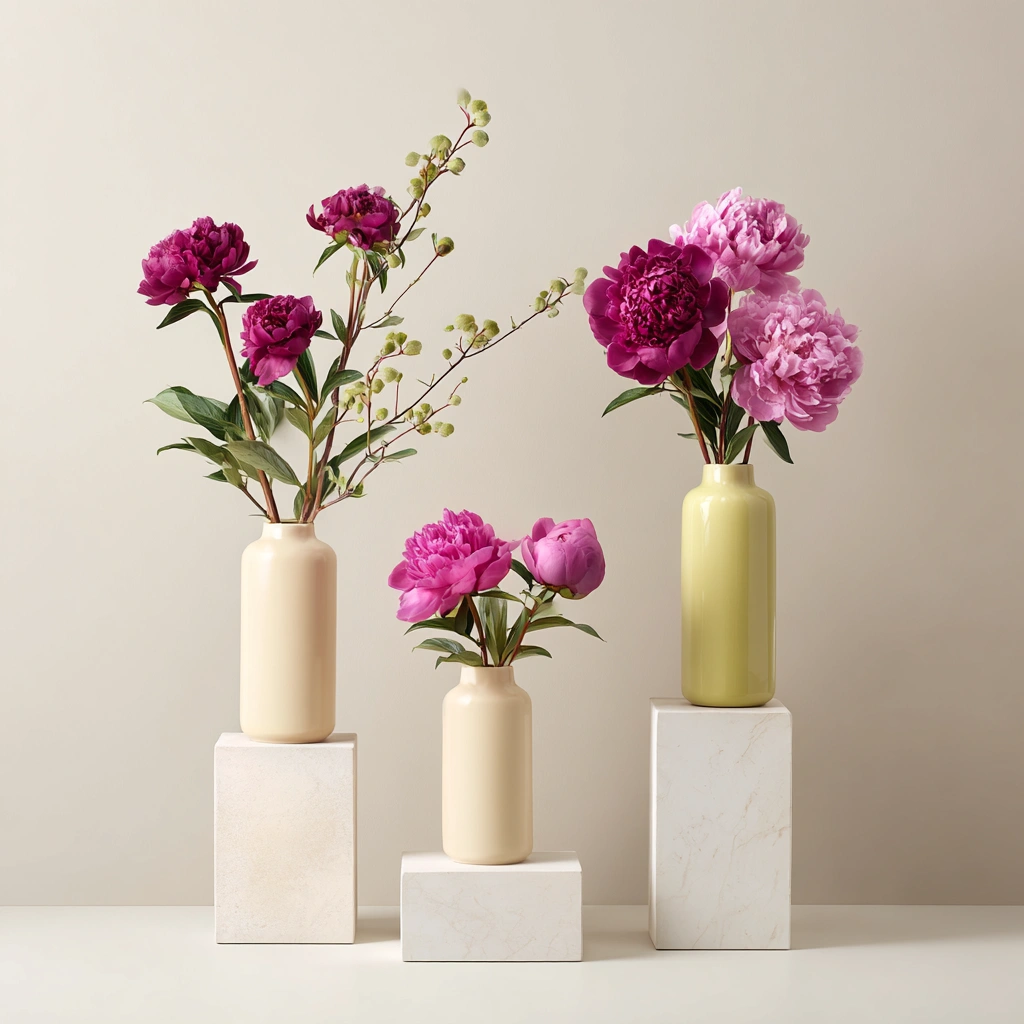
- Some peonies change color as they bloom—’Coral Charm’ transitions from deep coral to peach to cream
- A single peony plant can live over 100 years with proper care
- Peony petals are edible (though use caution—plants contain paeonol, which can upset pets’ stomachs)
- Peonies need at least 6 hours of sunlight daily for best blooms
- Deer and rabbits typically avoid peonies, making them garden-friendly
- Ants are attracted to peony buds’ nectar—but they don’t harm the flowers; they simply help buds open
- In China, peonies were once reserved for emperors only, earning the title “King of Flowers”
Practical Tips for Purchasing and Caring for Fresh-Cut Peonies
Peony Purchasing Tips
- Buy at the bud stage: Look for buds that feel soft like a marshmallow—not hard like a marble—to ensure they’ll open fully
- Check for freshness: Slight brown spotting on buds is normal; avoid wilted stems or slimy bases
- Time your purchase: Peak commercial availability is mid-May to late June in the Northern Hemisphere
- Source locally: Locally grown peonies during your region’s bloom window offer the freshest, most affordable options
- Pre-order for events: For weddings or special occasions, reserve peonies early with a local florist or flower farm
- Consider variety: Mix early, mid, and late bloomers if buying plants for your garden to extend your season
When purchasing fresh-cut peonies, it is vital to choose blooms that will offer the most aesthetic appeal and longevity. Look for flowers that are still in the bud stage, as these will continue to open beautifully at home. The buds should feel firm and sturdy, indicating freshness, while petals should be free from blemishes and browning. Checking the foliage is also essential; healthy, vibrant green leaves suggest that the flowers have been well cared for prior to your purchase.
Caring for Your Fresh-Cut Peonies
- For Maximum Vase Life (5–7+ days):
- Trim stems at an angle every 2–3 days to improve water uptake
- Use flower food: Add the provided packet or make your own with sugar + a drop of vinegar/mouthwash
- Change water completely every 2–3 days (daily in warm weather) to prevent bacterial buildup
- Remove lower leaves: Any foliage below the waterline rots quickly and encourages bacteria
- Keep cool: Display away from direct sunlight, heat sources, drafts, and ripening fruit
- Refrigerate overnight: For buds not yet open, wrap in newspaper and refrigerate to pause blooming until needed
- Speed up opening: Place buds in warm water in a sunny spot; gently massage buds or rinse sticky sap under warm water to encourage petals to unfurl
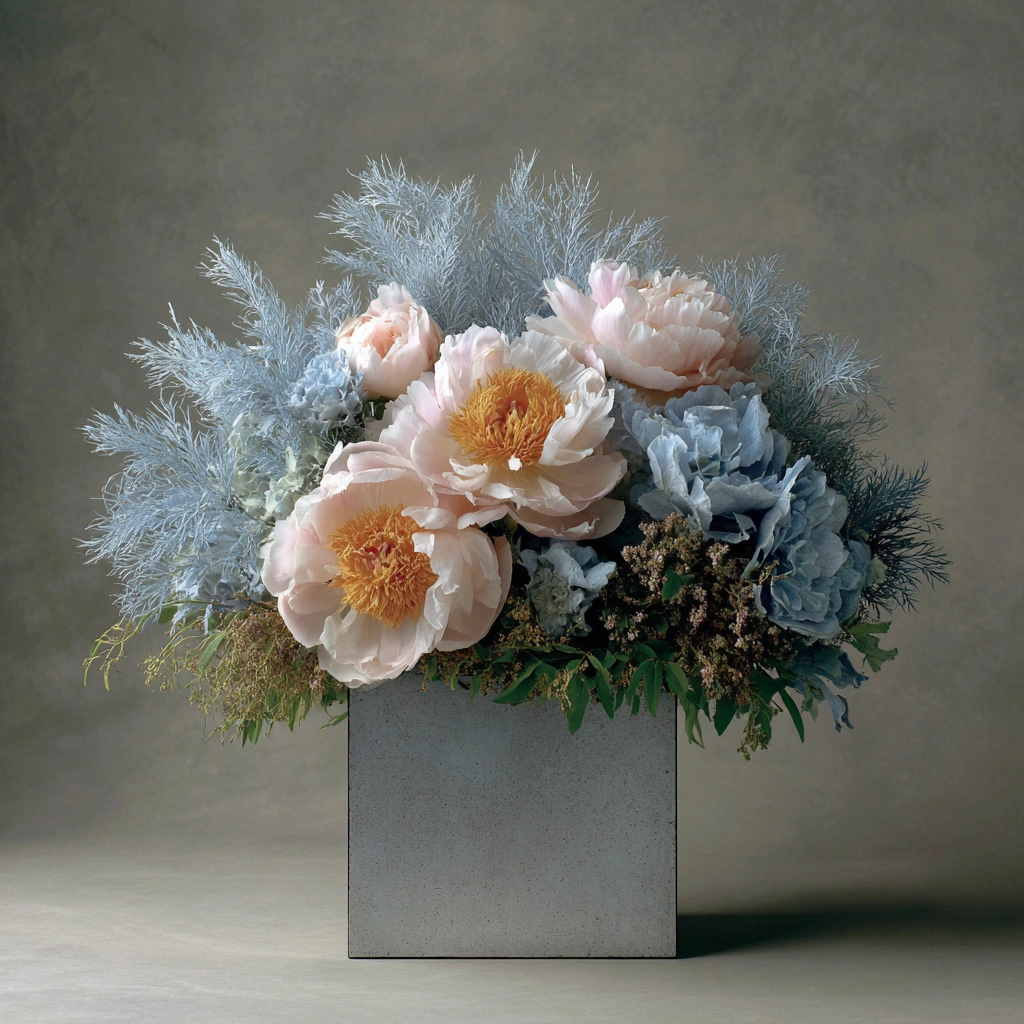
Once you have selected the perfect peonies, it is paramount to ensure they are well-cared for upon arriving home. Start by trimming the stems at an angle with a sharp knife or pruning shears. This allows better water absorption, which is crucial for keeping peonies hydrated. It is advisable to cut at least one inch off each stem, ideally under running water to prevent air bubbles from forming, which can hinder the flower’s ability to drink.
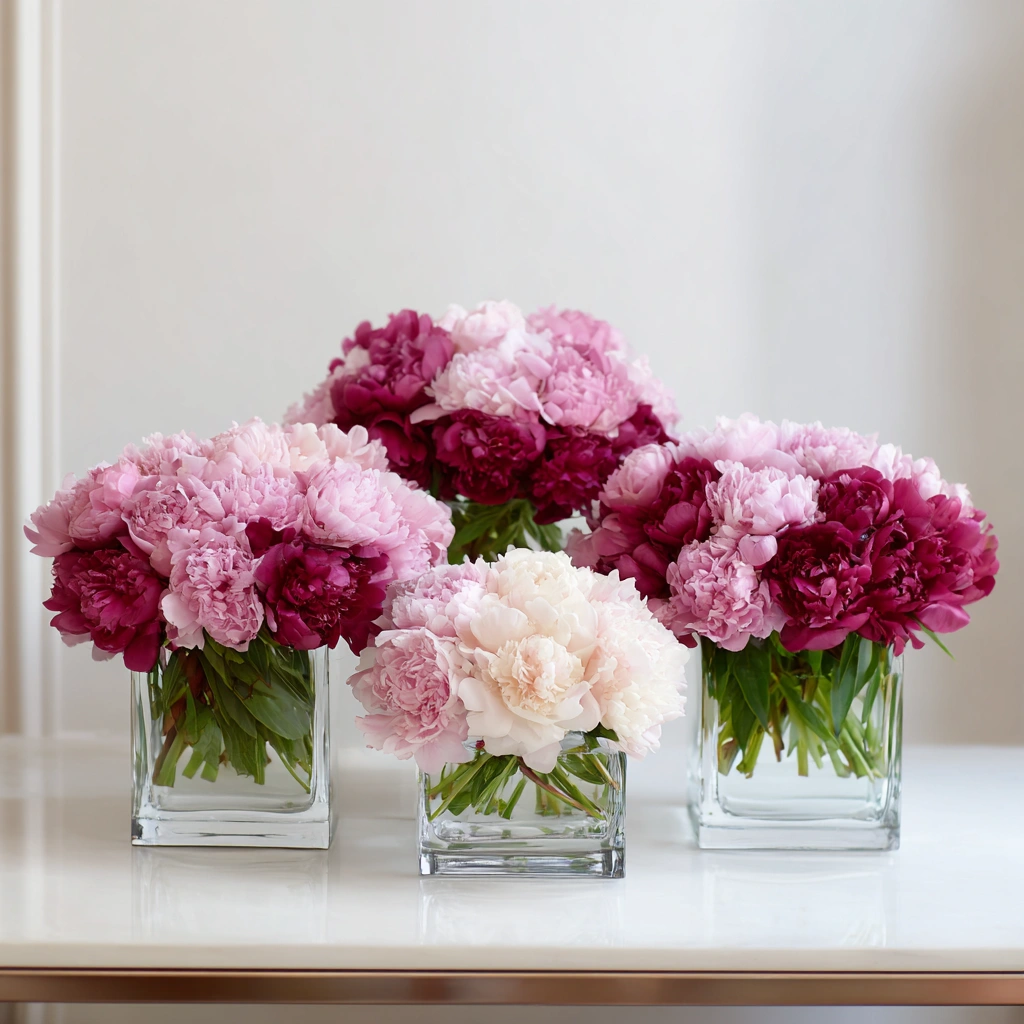
Water management is crucial for maintaining fresh-cut peonies. Place them in a clean vase filled with fresh, lukewarm water. It’s also a good idea to remove any leaves that might sit below the waterline to prevent bacterial growth, which can cause wilting. To enhance bloom longevity, consider adding a floral preservative to the water, as it contains nutrients that help the flowers thrive.
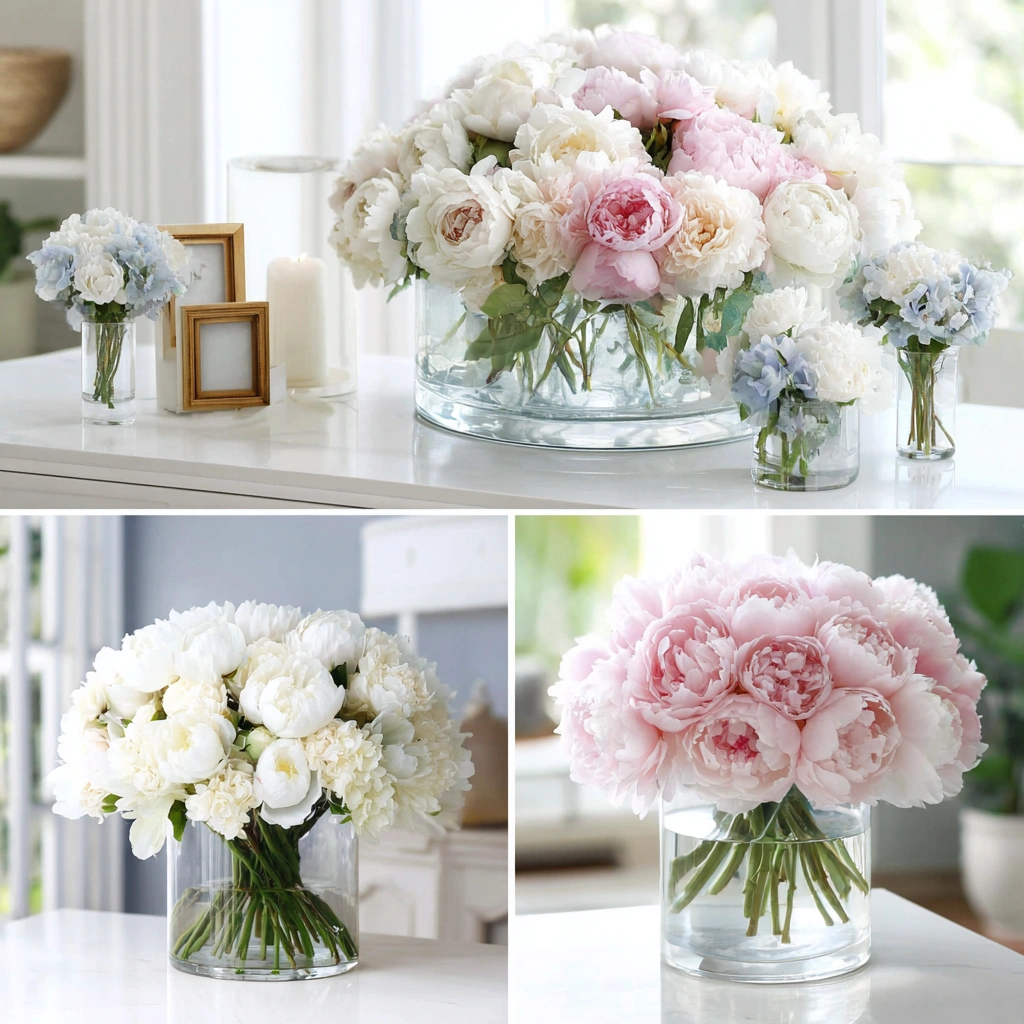
Placement is another significant factor in extending the life of fresh-cut peonies. Keep them in a cool area, away from direct sunlight, heat sources, and drafts. Ideally, peonies thrive in temperatures between 65 to 75 degrees Fahrenheit. Regularly check the water level in the vase and refill as necessary to keep the stems submerged. Following these practical tips will ensure that you enjoy the stunning beauty of fresh-cut peonies for an extended period.
Peonies in Context: Occasions and Similar Flowers
Generally, peonies symbolize love, honor, happiness, wealth, romance, and beauty—making them ideal for weddings, anniversaries, graduations, and celebrations of new life
Peonies are not just admired for their beauty; they hold significant meaning in various cultural traditions and occasions. One of the most common events where peonies are prominently featured is weddings. Their lush, full blooms symbolize romance, happiness, and prosperity, making them a favored choice for bridal bouquets and floral decorations. The delicate, ruffled petals add an air of elegance and softness, creating a romantic atmosphere that aligns perfectly with the celebration of love.
Peony Occasions
| Occasion | Recommended Colors | Why It Works |
|---|---|---|
| Weddings | Pink, white, coral | Symbolize love, prosperity, happy marriage; photograph beautifully |
| Anniversaries | Red, deep pink | Represent enduring passion, honor, and respect |
| Mother’s Day | Light pink, coral | Convey gratitude, grace, and appreciation |
| Graduations | Yellow, white | Celebrate new beginnings and bright futures |
| Housewarmings | Yellow, coral | Symbolize happiness, abundance, and fresh starts |
| Sympathy/Apology | White | Express bashfulness, sincerity, and enduring beauty |
| Chinese New Year | Red, pink | Honor tradition; symbolize wealth and good fortune |
| Birth of a Child | Pink, white | Represent new life, purity, and joyful beginnings |
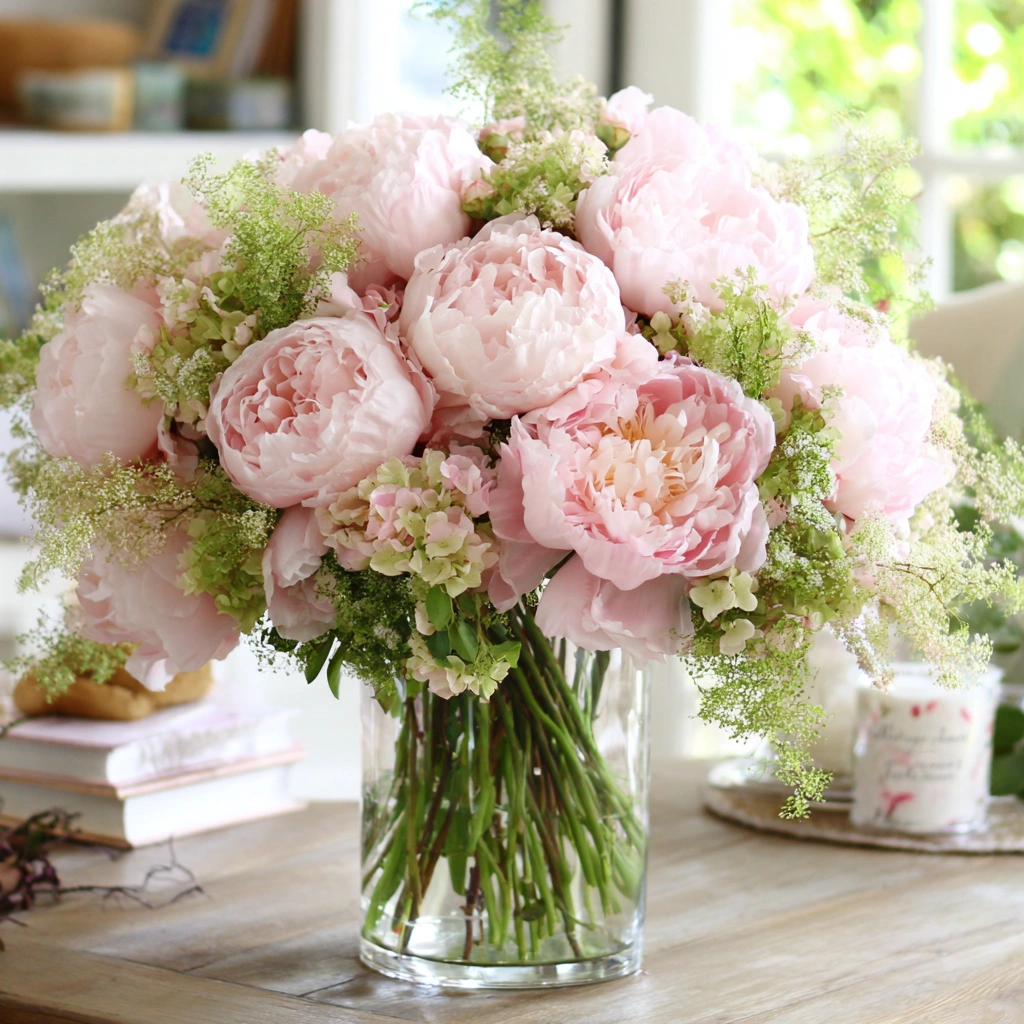
In addition to weddings, peonies are frequently used in commemorative events, such as anniversaries and memorial services. Their seasonal availability aligns seamlessly with important dates, allowing for heartfelt tributes that reflect deep emotions. These flowers convey sentiments of affection and remembrance, enhancing the significance of gatherings where memories are cherished.
Flowers Similar to the Peony
| Flower | Similarity to Peony | Bloom Season |
|---|---|---|
| Garden Roses (e.g., ‘David Austin’ varieties) | Full, ruffled petals; romantic aesthetic | Late spring–fall |
| Ranunculus | Layered, tissue-paper petals; compact form | Late winter–spring |
| Double Tulips (e.g., ‘Peony Tulips’) | Dense, multi-petaled blooms | Mid–late spring |
| Camellias | Glossy petals; formal, rounded shape | Late winter–spring |
| Dahlias (decorative/dinnerplate types) | Large, showy, multi-layered blooms | Mid-summer–fall |
| Anemones (double varieties) | Delicate layers with dark centers | Spring–early summer |
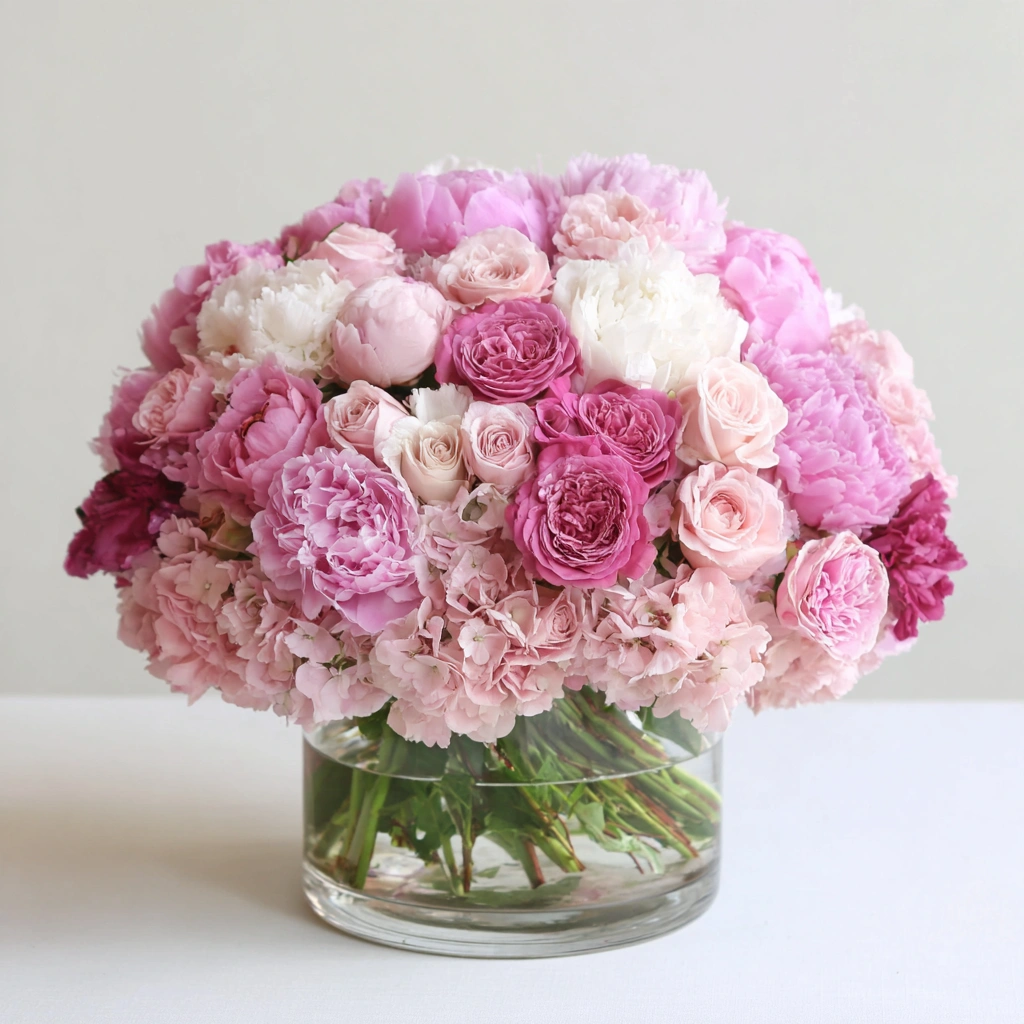
Beyond peonies, there exists a variety of flowers that share similar aesthetic qualities, enriching the world of floral design. For instance, garden roses are often compared to peonies due to their layered petals and captivating fragrance. Like peonies, these roses come in an array of colors, allowing florists to create harmonious arrangements that evoke emotional responses. Another flower worth mentioning is the ranunculus, which boasts a similar round shape and densely packed petals. Its vibrant hues add a touch of joy and brightness, complementing the soft tones of peonies beautifully.
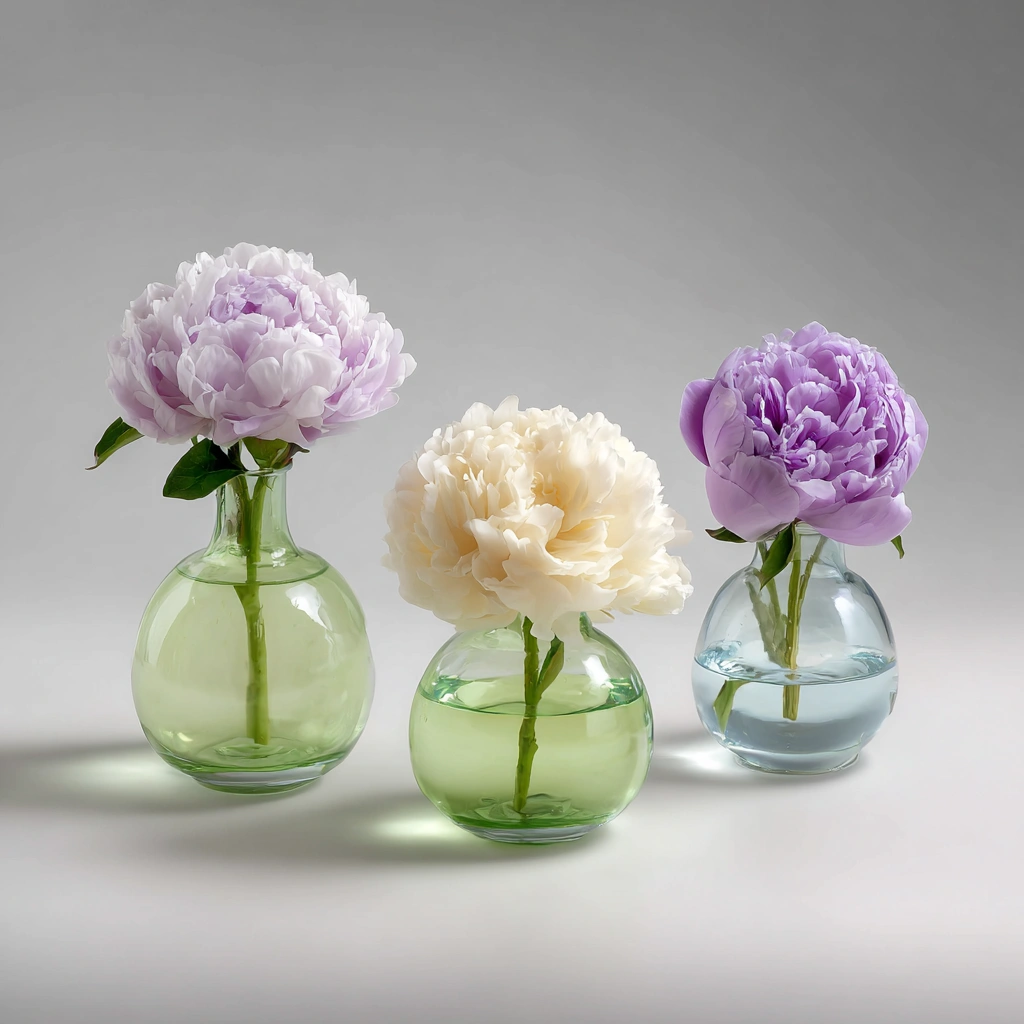
Lastly, the lisianthus flower, with its delicate blooms and gentle curves, can emulate the luxurious presence of peonies in floral arrangements. Together, these flowers enhance the visual appeal of bouquets and displays, providing options for those looking to incorporate alternatives while maintaining the elegance and charm associated with peonies.
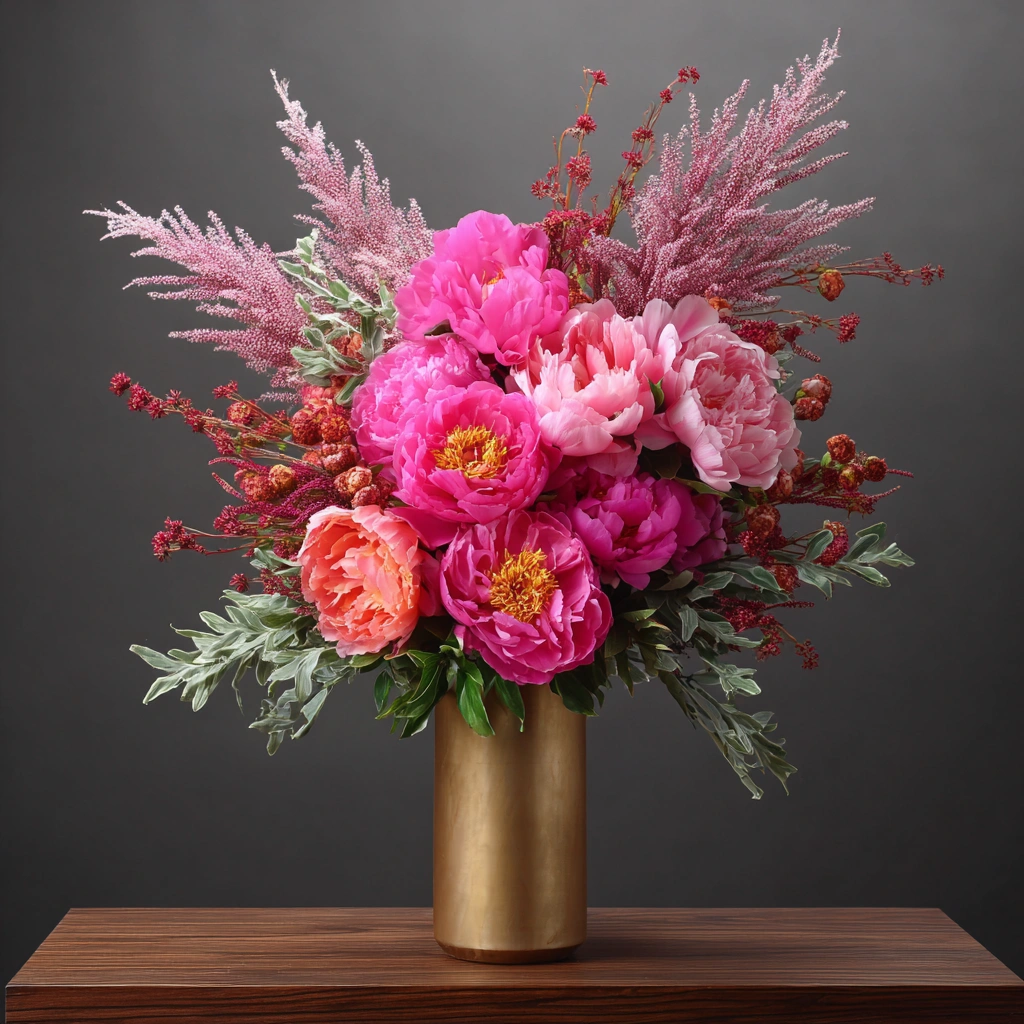
Final Thought: Whether grown in your garden or gifted in a bouquet, peonies remind us to cherish life’s fleeting, beautiful moments. As the Tang Dynasty poets knew: their brief, spectacular bloom is a metaphor for appreciating joy while it lasts.
Article by Jamie the florist of West Palm Beach